关于我们
用可持续材料和未来电池解决方案改造能源

Indonesia’s development journey is entering a defining chapter, one shaped by ambition, resilience, and the drive to create greater value from its natural strengths. As the global economy evolves, the question is no longer about resource availability, but how effectively those resources are transformed into long-term economic progress. In this context, nickel downstreaming emerges as a powerful pathway for Indonesia to move beyond the middle-income trap and step confidently into a more advanced industrial future.
The middle-income trap refers to a condition where a country experiences a slowdown in growth after reaching a certain income level, often due to limited industrial upgrading and reliance on low-value economic activities. For many resource-rich countries, including Indonesia, this challenge is closely linked to the export of raw materials without significant value addition. While such exports generate revenue, they often fail to create sustainable economic transformation, leaving economies vulnerable to global price fluctuations and limiting productivity growth.
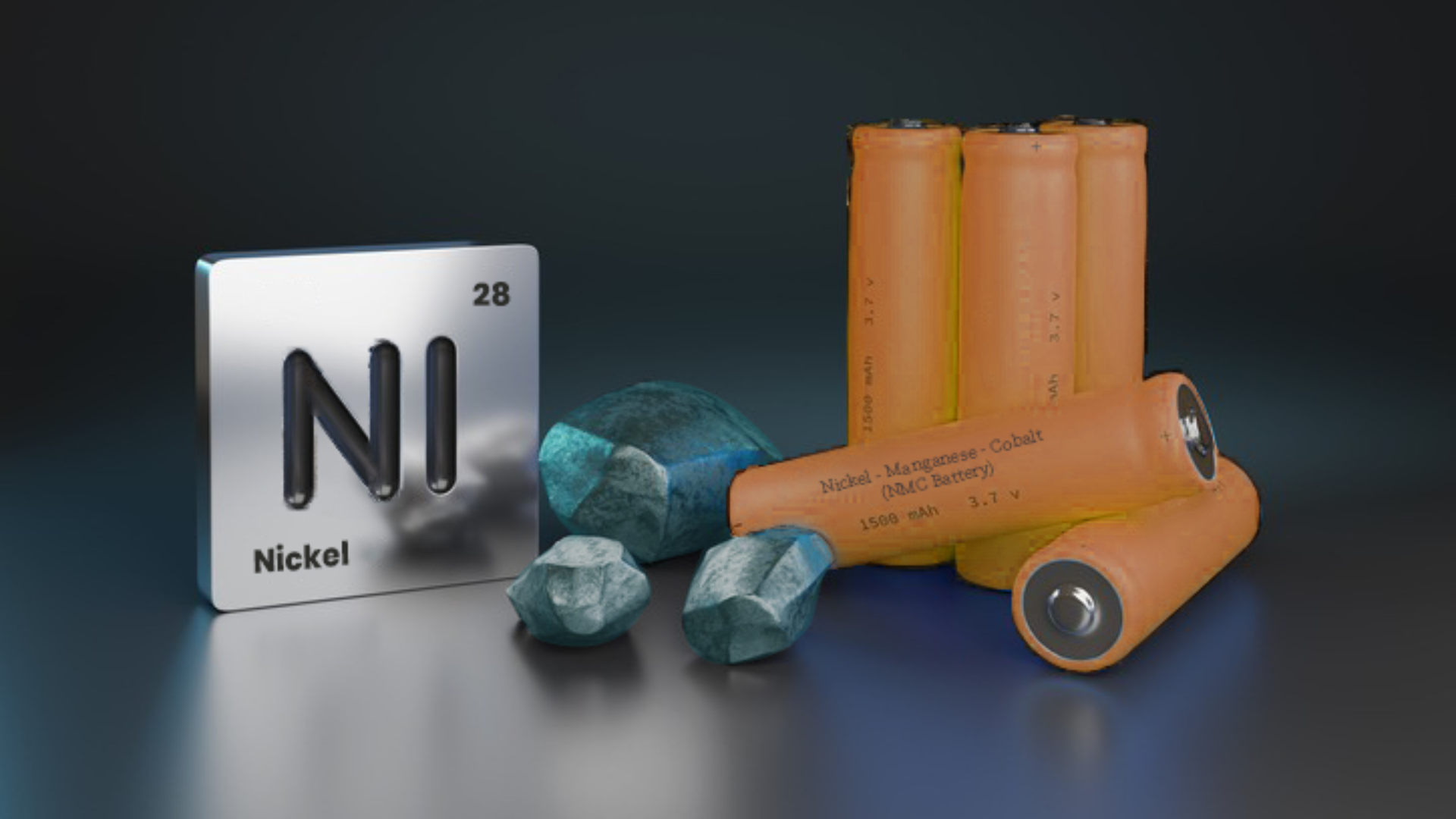
Recognizing this, Indonesia has taken a strategic shift toward downstreaming, transforming raw materials into higher-value products through industrial processing and integration. In the case of nickel, this means moving beyond mining into the production of intermediate and advanced materials such as mixed hydroxide precipitate (MHP), nickel sulfate, and precursor cathode active materials (pCAM), which are essential components in electric vehicle (EV) batteries.
This transformation is particularly significant given Indonesia’s position as one of the world’s largest nickel producers. Nickel is no longer just a commodity; it has become a critical element in the global transition toward clean energy and electrification. The rise of EVs and renewable energy storage has elevated the importance of battery materials, placing Indonesia at the center of a rapidly growing global value chain.
By developing an integrated nickel downstream industry, Indonesia stands to gain far more than export revenues. Downstreaming enables the creation of higher-value exports, generates employment opportunities across multiple sectors, and encourages the transfer of technology and expertise. It also strengthens the country’s industrial base, making it more resilient and competitive in the global market.
Moreover, this approach aligns with broader national goals of sustainable and inclusive growth. Industrial ecosystems built around nickel processing can support infrastructure development, foster innovation, and create multiplier effects that benefit local communities and regional economies. In this way, downstreaming is not merely an economic strategy, it is a catalyst for holistic development.
At Neo Energy, we see downstreaming as more than an operational focus, it is a long-term commitment to transformation. By developing integrated industrial ecosystems powered by sustainable practices, Neo Energy aims to contribute to Indonesia’s vision of becoming a global hub for new energy materials. The company’s initiatives are designed to support the full value chain, from processing to advanced material production, while adhering to global environmental, social, and governance (ESG) standards.
As Indonesia continues to move forward, the transition from raw resource dependency to value-driven industry will define its economic trajectory. Nickel downstreaming offers a clear and strategic path, one that not only enhances national competitiveness but also positions Indonesia as a key player in the future of global energy.
From natural resources to future industries, Indonesia is not just growing, it is transforming.
Reference:
1. World Bank – Avoiding the Middle-Income Trap
2. Ministry of Energy and Mineral Resources of the Republic of Indonesia – Nickel Downstreaming Policy
3. Ministry of Industry of the Republic of Indonesia – Industrial Development Strategy
4. International Energy Agency (IEA) – The Role of Critical Minerals in Clean Energy Transitions