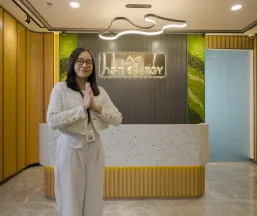
About Neo Energy
Transforming Energy with Sustainable Materials & Future-Forward Battery Solutions

As the global energy landscape continues to evolve, countries are increasingly seeking ways to strengthen their energy security while accelerating the transition toward cleaner and more sustainable energy systems. This ambition has given rise to a concept that is becoming more important than ever: energy independence.
What is Energy Independence?
Energy independence refers to a country's ability to meet its own energy needs without relying heavily on external energy supplies or vulnerable global supply chains. While complete self-sufficiency may not always be achievable, increasing domestic energy resilience allows nations to better withstand geopolitical uncertainty, supply chain disruptions, and fluctuating energy prices. More importantly, it enables long-term economic stability while supporting national sustainability goals.
Achieving energy independence, however, requires more than simply producing more energy. It demands a balanced energy mix that is both reliable and sustainable.
Reliability means ensuring that energy remains consistently available to power homes, industries, transportation systems, healthcare facilities, and digital infrastructure. A resilient energy system must be capable of adapting to changing demand while remaining secure against disruptions.
At the same time, sustainability has become equally critical. Countries around the world are shifting toward low-carbon energy sources to reduce greenhouse gas emissions and address climate change. Renewable energy technologies; including solar, wind, and hydroelectric power are becoming central components of national energy strategies. However, these technologies require advanced energy storage systems capable of delivering electricity whenever it is needed.
This is where critical minerals, particularly nickel, play an increasingly strategic role.
Nickel is one of the essential raw materials used in high-performance lithium-ion batteries, especially those powering electric vehicles (EVs) and large-scale energy storage systems. Batteries help stabilize renewable energy generation by storing excess electricity and supplying it when production from solar or wind fluctuates. As a result, nickel is not simply a mining commodity, it has become a fundamental building block of the global clean energy transition.
Beyond batteries, nickel also contributes to broader industrial development. Its applications support electric mobility, renewable energy infrastructure, advanced manufacturing, and technologies designed to improve energy efficiency. As countries invest in domestic battery manufacturing and EV ecosystems, securing a reliable supply of responsibly produced nickel becomes increasingly important for strengthening energy independence.
Indonesia is uniquely positioned to contribute to this transformation. As one of the world's largest nickel-producing countries, Indonesia has significant opportunities to develop an integrated downstream industry that creates greater value from its mineral resources. Through responsible mining practices, processing capabilities, and continued investment in battery materials, the country can strengthen its role in the global clean energy supply chain while supporting national economic growth.
At Neo Energy, we believe responsible resource development is key to achieving this vision. Through sustainable mining practices, environmental stewardship, and adherence to Environmental, Social, and Governance (ESG) principles, we are committed to supporting a resilient and future-ready energy ecosystem. Producing critical minerals responsibly is not only about meeting today's industrial demand, it is about enabling tomorrow's energy solutions.
Energy independence is ultimately about creating a future where nations have access to secure, reliable, and sustainable energy. Achieving this goal requires collaboration across governments, industries, and communities, alongside continuous innovation throughout the entire value chain.
Together, we can help shape a more sustainable energy future. One powered by responsible resources, technological innovation, and a shared commitment to long-term progress.