About Neo Energy
Transforming Energy with Sustainable Materials & Future-Forward Battery Solutions

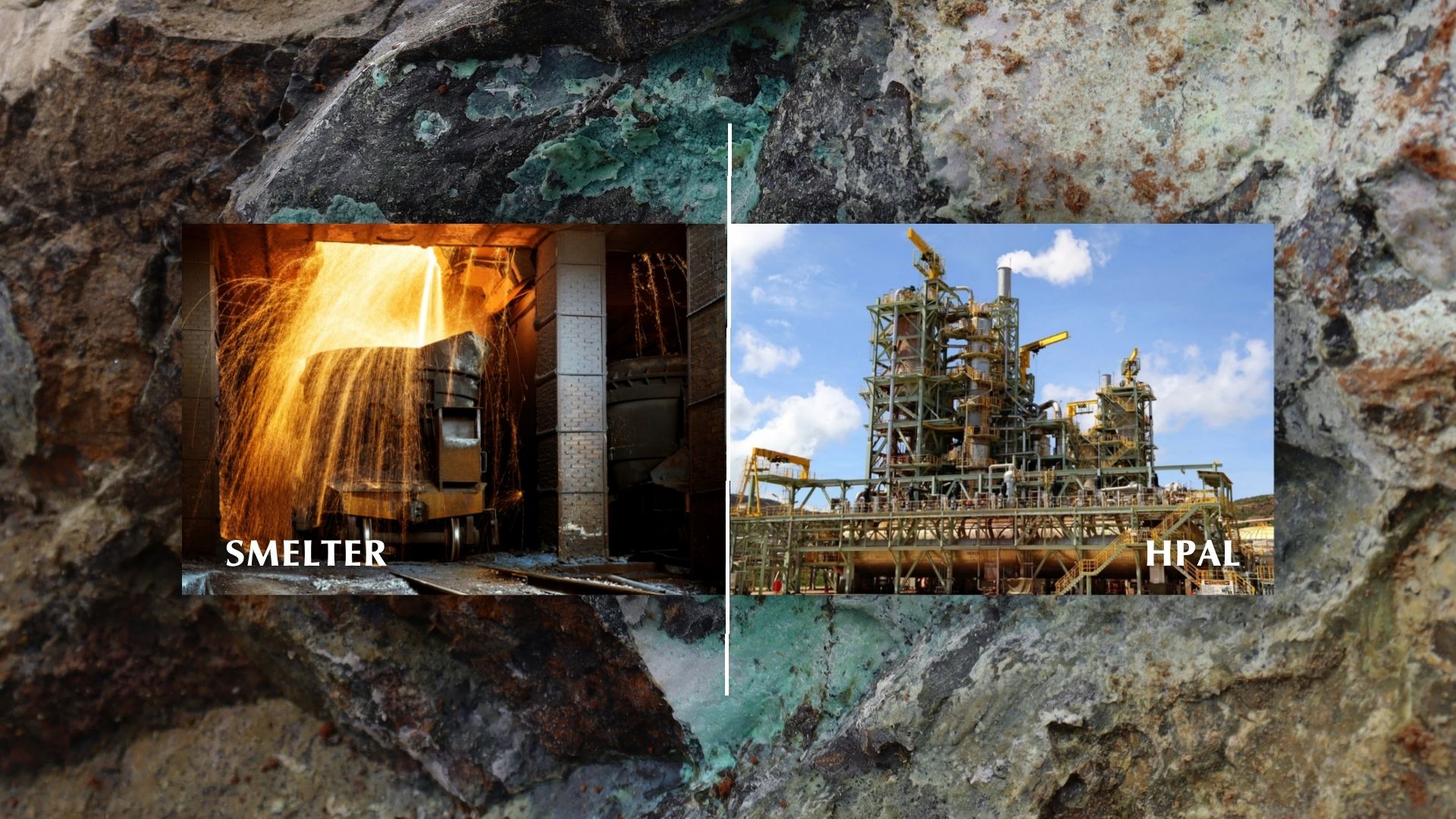
Indonesia’s nickel industry is evolving at an unprecedented pace, driven by innovation, strategic vision, and a growing role in the global energy transition. As the country strengthens its downstream capabilities, conversations around processing technologies are becoming increasingly relevant. One question often comes up: what exactly is the difference between HPAL and smelter?
At first glance, both terms seem interchangeable. After all, they are both associated with nickel processing. But in reality, they refer to different concepts within the broader value chain, each playing a distinct role in transforming raw nickel ore into valuable products.
To start, “smelter” is a general term. It refers to facilities or processes that extract and refine metals from their ores, typically involving high temperatures. In the context of nickel there are two more commonly known categories and that is pyrometallurgical and hydrometallurgical - both of which are processes used for purification of nickel through high temperature and high pressure. Pyrometallurgy relies on high-temperature treatment to process nickel. Methods such as Rotary Kiln Electric Furnace (RKEF) use intense heat to smelt laterite ore into products like ferronickel or nickel pig iron, which are primarily used in stainless steel production. This approach is well-established, efficient for certain ore types, and has long supported large-scale industrial operations. On the other hand, hydrometallurgy uses chemical solutions, often under high pressure and controlled temperatures, to extract nickel. A key example is High Pressure Acid Leach (HPAL), which processes lower-grade laterite ores that are not suitable for smelting. Instead of producing ferronickel, this method generates intermediate products such as mixed hydroxide precipitate (MHP), which can be further refined into battery-grade materials like nickel sulfate.
In essence, while both methods aim to extract and purify nickel, they differ in approach, input materials, and end products, each playing a complementary role in meeting the diverse demands of today’s nickel value chain.
Smelting has long been the backbone of Indonesia’s nickel downstreaming efforts. It enables the country to move beyond raw ore exports and produce intermediate products with higher economic value. However, as global demand shifts toward electric vehicles (EVs) and clean energy technologies, the industry requires more advanced smelting methods to meet new material specifications.
In response to this shift, nickel processing is evolving—from conventional pyrometallurgical routes such as RKEF toward more advanced hydrometallurgical approaches that can support battery-grade production. This is where HPAL, also known as High Pressure Acid Leach, comes into play.
Unlike RKEF, HPAL is a specific method within hydrometallurgy, a processing approach that relies on chemical solutions rather than high heat. HPAL uses high pressure and acidic solutions to extract nickel and cobalt from laterite ores, particularly those with lower nickel content that are not suitable for traditional smelting.
The significance of HPAL lies in its output. Instead of producing ferronickel, HPAL generates mixed hydroxide precipitate (MHP), which can be further processed into nickel sulfate and other key materials used in lithium-ion batteries. These materials are essential for EV production, making HPAL a critical technology in supporting the global shift toward electrification.
In simple terms, smelting is the broader category of metal processing, while HPAL is one of the advanced methods within it, designed to meet the needs of a rapidly changing market.
Understanding this distinction is important, especially as Indonesia positions itself as a global hub for new energy materials. By integrating both pyrometallurgical and hydrometallurgical processes, the country can maximize the value of its nickel resources serving both traditional industries like stainless steel and emerging sectors like EV batteries.
At Neo Energy, this integrated approach is central to our vision. We believe that downstreaming is not just about processing, it's about building a resilient, future-ready ecosystem. By leveraging advanced technologies like HPAL alongside established smelting methods, we aim to support Indonesia’s transition into a high-value, innovation-driven economy.
As the nickel industry continues to grow, clarity around these technologies becomes increasingly important. Because in the journey from resource to value, every process matters and every innovation brings Indonesia one step closer to leading the future of energy.
References:
1. Ministry of Energy and Mineral Resources of the Republic of Indonesia – Nickel Industry Overview
2. Ministry of Industry of the Republic of Indonesia – Downstreaming Strategy
3. International Energy Agency (IEA) – The Role of Critical Minerals in Clean Energy Transitions
4. World Bank – Minerals for Climate Action Report